

Top Dog Breeds for Successful Shed Hunting
- Bunker Firearms
- Feb 5
- 4 min read
Shed hunting is a rewarding outdoor activity that combines the thrill of the hunt with the joy of spending time in nature. Finding antlers that deer or elk naturally shed each year can be challenging, especially over large or dense terrain. Many shed hunters turn to dogs to improve their chances of success. Certain dog breeds have natural instincts, energy, and skills that make them excellent partners for shed hunting. This post explores the best dog breeds for shed hunting, highlighting their traits and why they excel in this unique pursuit.
Why Use Dogs for Shed Hunting
Shed hunting requires patience and a keen nose. Antlers can be hidden under leaves, brush, or snow, making them difficult to spot by sight alone. Dogs bring several advantages:
Enhanced scent detection: Dogs have a far superior sense of smell compared to humans, allowing them to detect antlers buried under foliage or snow.
Increased search area: Dogs can cover more ground quickly, especially in rough terrain.
Motivation and enthusiasm: Dogs love the chase and searching, which keeps the hunt engaging and fun.
Retrieving ability: Many breeds will carry the antlers back, saving effort and protecting the finds.
Choosing the right breed depends on the environment, the hunter’s experience, and the dog’s temperament.
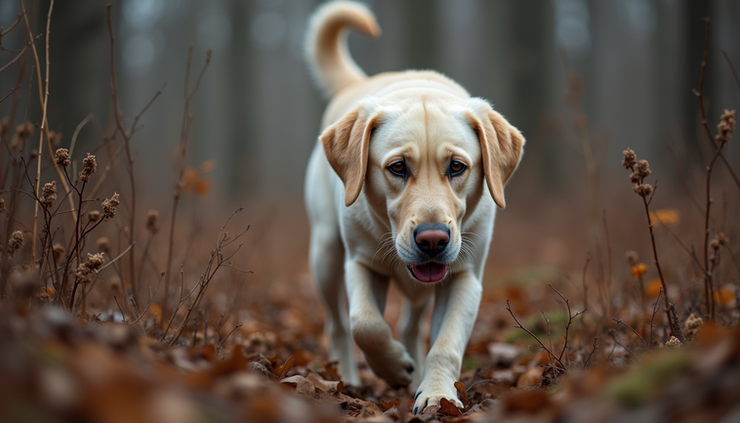
Labrador Retriever
Labrador Retrievers are among the most popular shed hunting dogs. Their strong noses, intelligence, and eagerness to please make them excellent search companions.
Scenting ability: Labs have a highly developed sense of smell, originally bred for retrieving game.
Energy and endurance: They can work for hours without tiring.
Trainability: Labs respond well to commands and can be trained to find and retrieve antlers reliably.
Temperament: Friendly and focused, they work well in various weather conditions.
Labs thrive in wooded areas and open fields, making them versatile for different shed hunting environments.
German Shorthaired Pointer
German Shorthaired Pointers (GSPs) are energetic and intelligent dogs with a strong hunting background.
Excellent nose: GSPs are bred for tracking and pointing game, giving them an edge in scent detection.
Agility: Their athletic build allows them to navigate rough terrain easily.
Drive: They have a natural desire to search and find, which keeps them motivated.
Versatility: GSPs adapt well to different climates and terrains.
Their high energy means they need regular exercise and mental stimulation, but they reward owners with impressive shed hunting skills.
Beagle
Beagles are smaller but powerful scent hounds known for their tracking ability.
Exceptional scent tracking: Beagles have one of the best noses among dog breeds.
Compact size: Their smaller frame allows them to work in dense brush and tight spaces.
Persistence: Beagles are determined trackers and won’t give up easily.
Friendly nature: They get along well with people and other dogs.
Beagles are ideal for hunters who need a dog that can work in thick undergrowth or smaller properties.
English Springer Spaniel
English Springer Spaniels combine scenting ability with a strong retrieving instinct.
Strong nose: Bred for flushing and retrieving game, they excel at scent detection.
Energetic and eager: They enjoy active work and respond well to training.
Good size: Medium build allows them to move through various terrains.
Affectionate and loyal: They bond closely with their handlers.
Springers are great for hunters who want a dog that is both a reliable worker and a friendly companion.
Belgian Malinois
Belgian Malinois are highly intelligent and driven dogs often used in police and search roles.
Powerful scenting skills: Their keen noses make them excellent trackers.
High energy and stamina: They can cover large areas quickly.
Trainability: Malinois learn commands quickly and work well under direction.
Protective and alert: They are attentive to their handler’s needs.
These dogs require experienced owners who can provide consistent training and plenty of exercise.
Training Tips for Shed Hunting Dogs
Training a dog for shed hunting involves building their scent recognition and retrieval skills. Here are some tips:
Start with scent introduction: Use shed antlers or scent samples to familiarize your dog with the target smell.
Use positive reinforcement: Reward your dog with treats and praise when they find or retrieve antlers.
Practice in different environments: Train in woods, fields, and varied weather to build confidence.
Teach a reliable recall: Ensure your dog returns promptly when called.
Keep training sessions short and fun: This maintains your dog’s enthusiasm.
Consistent training helps your dog become a dependable shed hunting partner.
What to Consider When Choosing a Shed Hunting Dog
Before selecting a breed, consider these factors:
Terrain: Dense forests may require smaller, agile dogs; open fields suit larger, faster breeds.
Climate: Some breeds handle cold or heat better than others.
Experience level: High-energy breeds need owners who can provide ample exercise and training.
Size: Larger dogs can carry bigger antlers but may tire faster.
Temperament: Choose a dog that matches your personality and hunting style.
Matching your needs with the right breed ensures a successful and enjoyable shed hunting experience.



Comments