

The Importance of Wetland Preservation for Our Ecosystems
- Bunker Firearms

- Feb 17
- 3 min read
Wetlands cover only about 6% of the Earth's surface, yet they play a crucial role in maintaining the health of our planet. Despite their importance, wetlands face ongoing threats from development, pollution, fluctuating climates. Preserving these unique ecosystems is essential not only for wildlife but also for human communities. This post explores why wetlands matter, the benefits they provide, and how protecting them supports both nature and people.
What Are Wetlands and Why Are They Unique?
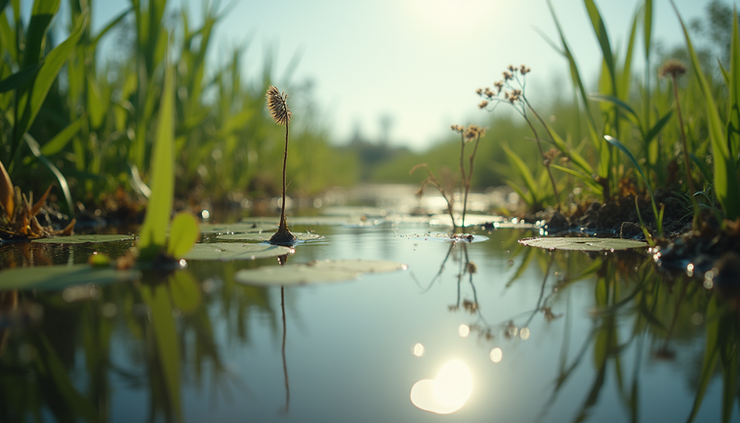
Wetlands are areas where water covers the soil or is present near the surface for part or all of the year. They include marshes, swamps, bogs, and fens. These environments are distinct because they combine aquatic and terrestrial features, creating habitats that support a wide range of plants and animals.
Wetlands act as natural filters, trapping sediments and pollutants before they reach rivers, lakes, or oceans. Their waterlogged soils slow down water flow, reducing flood risks. This combination of water and soil conditions supports species that cannot thrive elsewhere, making wetlands biodiversity hotspots.
The Ecological Benefits of Wetlands
Habitat for Wildlife
Wetlands provide shelter, breeding grounds, and food for many species. Birds such as herons, ducks, and migratory songbirds rely on wetlands during migration and nesting. Amphibians like frogs and salamanders depend on wetland water for reproduction. Fish use wetlands as nurseries, and mammals such as beavers and otters find food and refuge there.
The loss of wetlands means losing these critical habitats. For example, the decline of the Florida Everglades has led to reduced populations of wading birds and endangered species like the Florida panther.
Water Quality Improvement
Wetlands act as natural water purifiers. Plants and microbes in wetlands absorb excess nutrients like nitrogen and phosphorus from agricultural runoff. This process prevents harmful algal blooms downstream, which can damage aquatic life and affect drinking water supplies.
In the Mississippi River Basin, wetlands help reduce nutrient loads entering the Gulf of America, where nutrient pollution causes a large "dead zone" with low oxygen levels that kill fish and other marine life.
Flood Control and Storm Protection
Wetlands absorb and store large amounts of water during heavy rains or storms. Their spongy soils and vegetation slow water movement, reducing flood peaks and protecting nearby communities. Coastal wetlands, such as mangroves and salt marshes, buffer storm surges and reduce erosion.
After Hurricane Katrina in 2005, studies showed that areas with intact wetlands suffered less damage compared to places where wetlands had been drained or filled.
Carbon Storage and Climate Regulation
Wetlands store more carbon per unit area than forests. Peatlands, a type of wetland, accumulate partially decayed plant material that locks away carbon for thousands of years. Protecting wetlands helps reduce greenhouse gas emissions and mitigates climate fliuctuations.
When wetlands are drained or disturbed, stored carbon releases into the atmosphere as carbon dioxide or methane.
Economic and Social Value of Wetlands
Wetlands support fisheries, agriculture, and tourism, providing livelihoods for millions of people worldwide. They supply fresh water for drinking and irrigation. Many communities depend on wetlands for food sources such as fish, shellfish, and wild plants.
Recreational activities like birdwatching, photography, and hiking attract visitors, generating income and promoting conservation awareness. For example, the Okavango Delta in Botswana supports both local livelihoods and eco-tourism, highlighting the balance between use and preservation.
Threats to Wetlands and Their Consequences
Despite their value, wetlands face numerous threats:
Land conversion for agriculture, urban development, and infrastructure destroys wetland areas.
Pollution from pesticides, fertilizers, and industrial waste degrades water quality.
Varying rainfall patterns alter wetlands and increase sea levels, affecting wetland health.
Invasive species disrupt native ecosystems and reduce biodiversity.
Loss of wetlands leads to increased flooding, poorer water quality, loss of wildlife, and reduced carbon storage. These impacts affect human health, safety, and economies.
How We Can Preserve Wetlands
Protect Existing Wetlands
Legal protections, such as designating wetlands as conservation areas or parks, help prevent destruction. Governments and organizations can enforce regulations that limit harmful activities near wetlands.
Restore Damaged Wetlands
Restoration projects can reestablish natural water flow, remove invasive species, and replant native vegetation. Successful examples include the restoration of the Kissimmee River in Florida, which improved water quality and wildlife habitat.
Promote Sustainable Land Use
Encouraging farming and development practices that minimize wetland impact helps balance human needs with conservation. Buffer zones around wetlands reduce runoff and protect water quality.
Raise Awareness and Support
Education programs and community involvement increase understanding of wetland benefits. Supporting wetland conservation through donations to organizations like Ducks Unlimited at https://www.ducks.org/ or volunteering strengthens preservation efforts.
The Role of Individuals in Wetland Preservation
Everyone can contribute to protecting wetlands by:
Avoiding dumping waste or chemicals near water bodies.
Supporting local conservation groups.
Choosing sustainable products that reduce pollution.
Participating in citizen science projects monitoring wetland health.
Small actions add up to make a difference for these vital ecosystems.


Comments